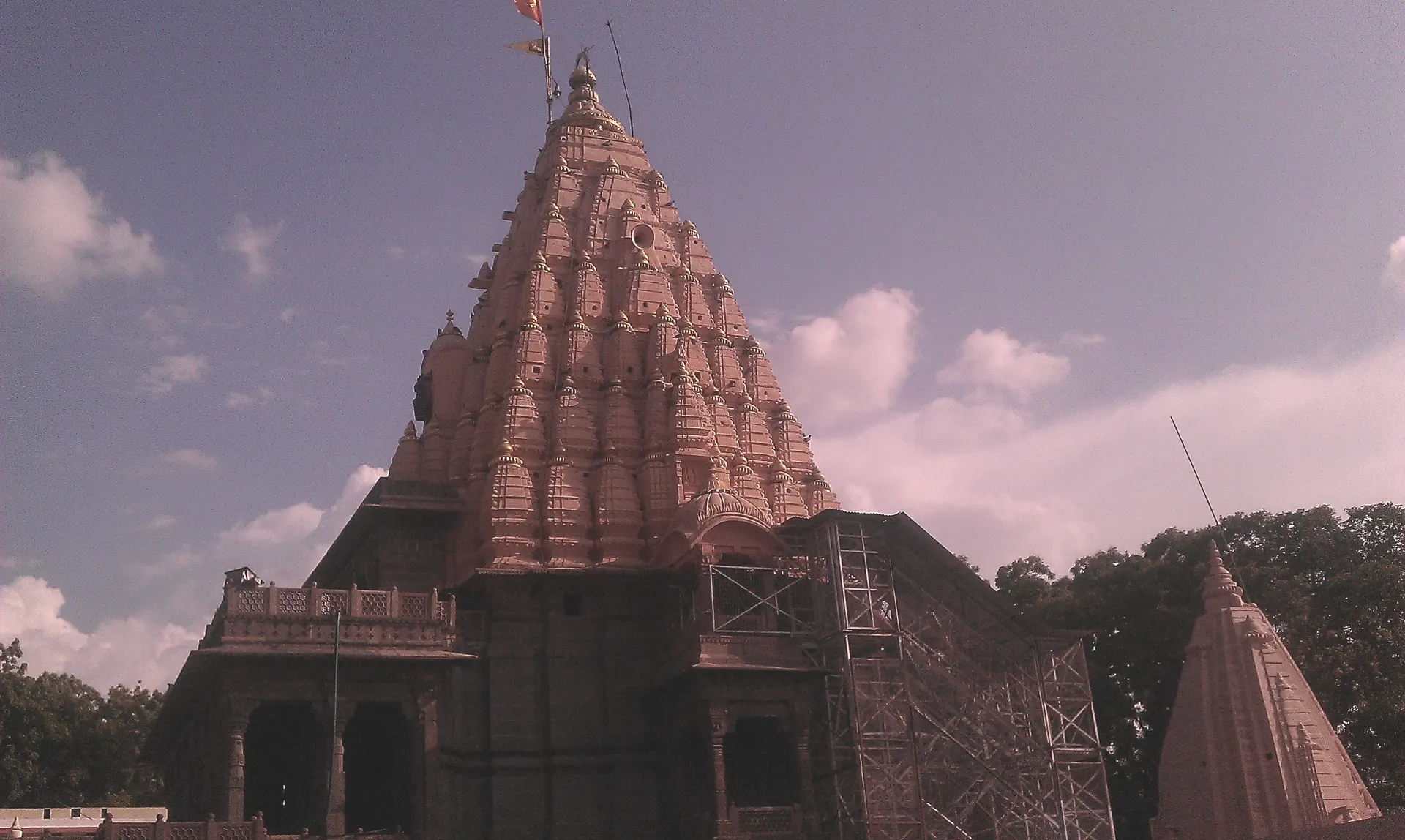
Three days in Ujjain lets you do something most pilgrims never manage: slow down. You can complete the main temple circuit without rushing, attend a pre-dawn Bhasma Aarti and still have a full day for the parts of the city that reward time — its astronomy heritage, its quieter riverbanks and its food — or for a day trip to Omkareshwar or Indore.
Day 1 — Arrival, Mahakal and the old city
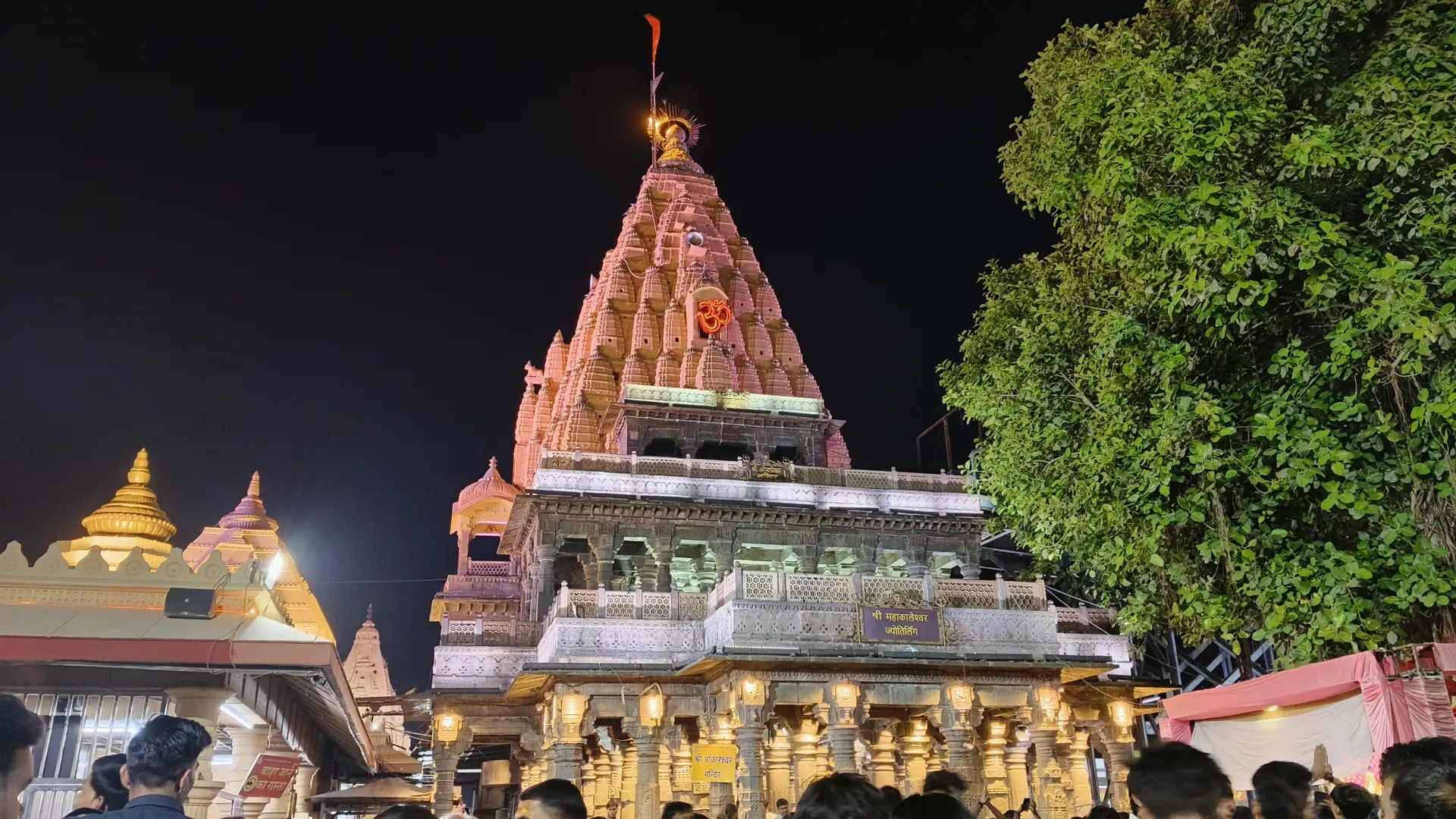
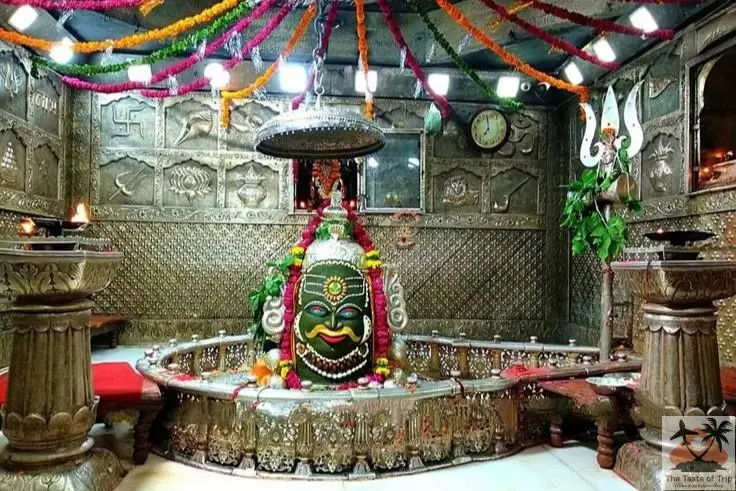
- Morning: arrive, check in near the old city if you want to walk (see the accommodation guide), and head to Mahakaleshwar for your first darshan. The temple's day runs from the pre-dawn Bhasma Aarti to the night Shayan Aarti; general darshan hours are not published as a single time range, and they change on festivals.
- Midday: walk the Mahakal Lok corridor and visit Harsiddhi Mata and Bade Ganeshji Ka Mandir.
- Afternoon: rest, then explore Gopal Mandir and the market lanes.
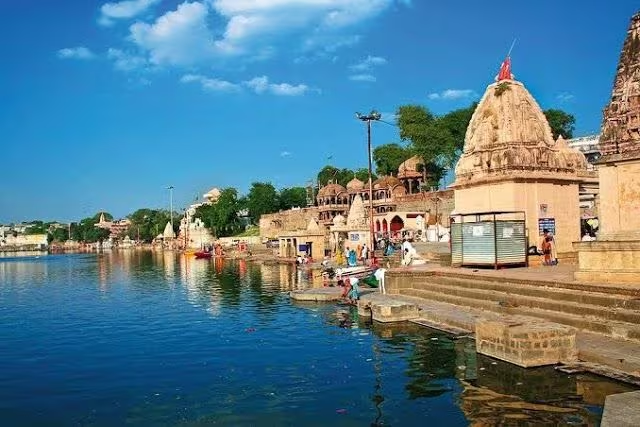
- Evening: the Shipra aarti at Ram Ghat. An evening aarti of the Shipra is performed at Ram Ghat around sunset; the time shifts with the season.
Day 2 — Bhasma Aarti and the Shipra circuit
- Before dawn (optional): Bhasma Aarti. Bhasma Aarti booking is online only, on the temple committee's official website. Advance booking opens at 8:00 AM on the 1st of the previous month (e.g. June bookings open on 1 May). Tatkal booking opens at 8:00 AM one day before the chosen date. The booking form asks for an ID proof type and number.
- Morning: Gadkalika and the Bhartrihari Caves, then across the river to Kal Bhairav and Siddhavat.
- Afternoon: Mangalnath and Sandipani Ashram. Rest through the hottest hours in between.
- Evening: a second, calmer darshan at Mahakaleshwar, or dinner and an early night.
Day 3 — Choose your pace
Option A: a slower Ujjain day
- Morning: Chintaman Ganesh on the outskirts, best visited early before the day warms up.
- Late morning: the Vedh Shala observatory. The observatory was built by Maharaja Sawai Jai Singh of Jaipur while he was Governor of Malwa under Emperor Muhammad Shah. It was later renovated by Maharaja Madhav Rao Scindia and has been in use since. Read more about Ujjain's place in Indian astronomy in our history of Ujjain.
- Afternoon: a pooja such as Rudrabhishek or Navgrah Shanti, or time at the quieter ghats and the Navagraha temple at Triveni.
- Evening: a food walk — try dal-bafla, bhutte ka kees or malpua (see the food guide) — and a last visit to the ghats.
Option B: a day trip
- Omkareshwar: the other Jyotirlinga of Madhya Pradesh, on the Narmada. It is a long drive, so leave very early and expect to return late — or stay overnight.
- Indore: closer, and easy to combine with your departure from Indore airport. Rajwada and Khajrana Ganesh are the classic stops.
See places near Ujjain for what is realistic, and the Madhya Jyotiryatra if you would like Omkareshwar, Maheshwar and Mandu organised for you.
Pacing tips
- Plan one major cluster per half-day; travel times between clusters are approximate and grow on festival days.
- Rest in the middle of the day, especially in summer — the temples are at their best in the morning and evening anyway.
- Keep one flexible slot for a second darshan or a pooja you decide on after arriving.
Shorter versions
If plans change, the two-day itinerary folds days two and three together, and the one-day itinerary keeps only the essentials. For a three-day package that pairs Ujjain with Mandu, see the Ujjain Mandav Heritage Tour.