
Shiva temples
Shri Mahakaleshwar Jyotirlinga
One of the twelve Jyotirlingas and the spiritual heart of Ujjain, where Shiva is worshipped as Mahakal, the lord of time.
Why it matters
Significance
For millions of devotees, a journey to Ujjain begins and ends at Shri Mahakaleshwar. The temple is one of the twelve Jyotirlingas, the shrines where, according to the Shiva Purana, Shiva revealed himself as an endless column of light. Here he is worshipped as Mahakal, the lord of time and of death itself, and the city has long thought of him as its true sovereign rather than any earthly ruler.
The lingam is regarded as swayambhu, self-manifested, and it faces south. This Dakshinamurti form is held to be unique among the twelve Jyotirlingas and carries special weight in Tantric tradition, since the south is the direction associated with Yama. Devotees believe that worship here frees one from the fear of untimely death, which is why so many families come to mark birthdays, recoveries and new beginnings.
The temple is also the setting for the Bhasma Aarti, the pre-dawn ritual in which the deity is adorned with sacred ash. It is one of the most sought-after experiences in Hindu pilgrimage and needs to be booked in advance through the temple committee.
Story & history
History and legend
The Puranas describe Avantika, as Ujjain was once known, as a great centre of worship and learning, and the poet Kalidasa alludes to the evening rituals of Mahakal in his Meghaduta. According to the legend of King Chandrasena, Shiva appeared here as Mahakal to defend his devotees and agreed to remain in the city as its protector.
The temple's recorded history has been turbulent. The complex was sacked in the 1230s during Iltutmish's raid on Ujjain, and the shrine that visitors see today owes much to its revival under Maratha rule in the 18th century, when the Scindias made Ujjain an important seat of their power.
On the day
What to expect and how to visit
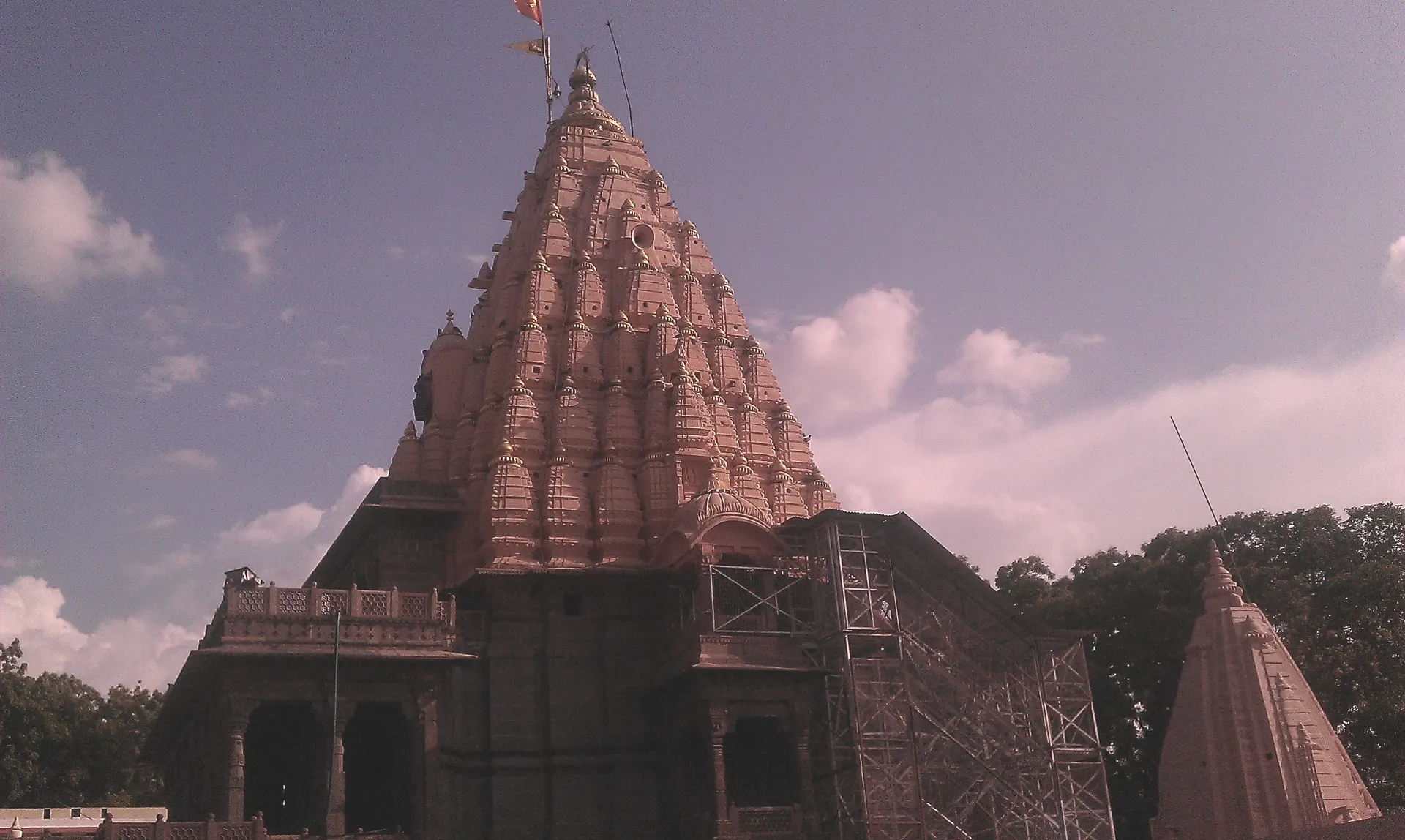
The temple rises over several levels within a walled courtyard near the Kotiteerth Kund. The sanctum of Mahakal is below ground level, reached by a corridor lit by lamps; above it is a shrine to Omkareshwar, and higher still the Nagchandreshwar shrine, which opens to the public only on Nag Panchami. Images of Ganesha, Parvati and Kartikeya surround the sanctum, with Nandi facing it.
Expect queues, especially on Mondays, during Shravan and on Maha Shivaratri, when worship continues through the night. Darshan is usually from a barricaded line, though the temple committee runs a paid quick-darshan facility and arrangements change during festivals. The entry route today usually passes through or beside the Mahakal Lok corridor, so allow time for both.
Before you go
Visitor tips
- Check the temple committee's official website for current darshan and aarti timings before you go; they change on festivals.
- Book Bhasma Aarti well in advance through official channels only, and carry the same photo ID you used to book.
- Wear modest, traditional clothing; a specific dress code applies for Bhasma Aarti and any sanctum entry.
- Use the shoe and cloak counters, and follow the posted rules on phones, bags and photography.
- Go early in the morning or late in the evening on weekdays to avoid the heaviest crowds; avoid Mondays and festival days if you are short on time or travelling with elderly family.
- Carry water and keep children close in queues, which can be long and slow-moving.
Getting there
How to reach Mahakaleshwar
The temple is in the old city, a short auto-rickshaw, e-rickshaw or cab ride from Ujjain Junction railway station. During festivals, vehicles are often stopped some way from the temple and you may need to walk the last stretch.
Coming from outside the city? See our guide on how to reach Ujjain by rail, air and road, and the local transport guide for getting around once you arrive.
Before you travel
Good to know
Key details about Mahakaleshwar. Arrangements can change on festival days, so check locally or ask our team when you plan your visit.
- Daily aarti schedule at Shri Mahakaleshwar
- Five daily aartis: Bhasma Aarti, Dadyodak Aarti (Bal Bhog), Bhog Aarti, Sandhya Aarti and Shayan Aarti. Two seasonal schedules apply: Chaitra Krishna Pratipada to Ashwin Purnima, and Kartik Krishna Pratipada to Phalgun Purnima.
- How Bhasma Aarti entry is booked
- Bhasma Aarti booking is online only, on the temple committee's official website. Advance booking opens at 8:00 AM on the 1st of the previous month (e.g. June bookings open on 1 May). Tatkal booking opens at 8:00 AM one day before the chosen date. The booking form asks for an ID proof type and number.
- Dress code for Bhasma Aarti / garbhagriha entry
- Traditional attire is expected; follow the dress code currently published by the temple committee.
- Sheeghra (quick) darshan facility
- Sheeghra Darshan is one of the temple committee's online services on its official website. Certain pujas (e.g. General Puja, Rudrabhishek) need a separate Sheeghra Darshan ticket. Check the official site for the current fee.
- Nagchandreshwar shrine opening
- The Nagchandreshwar temple on the topmost level of the Mahakaleshwar temple opens to the public only once a year, on Nag Panchami.
- Phones, bags and items inside the temple
- Follow the temple committee's current rules on phones, bags and offerings, as announced at the temple.
- South-facing lingam at Mahakaleshwar
- The Mahakaleshwar lingam faces south (Dakshinamurti), a feature held to be unique among the twelve Jyotirlingas.
- Destruction and rebuilding of the Mahakaleshwar temple
- The temple complex was sacked by Iltutmish in 1234–35 and was rebuilt during Maratha rule in the 18th century.
- Maha Shivaratri at Mahakal
- Maha Shivaratri falls in the Hindu month of Phalguna. It caps the temple's nine-day Shiv Navratri (Phalgun Krishna Panchami to Trayodashi), with worship through the day and a night Mahapuja. After the Sehra Darshan comes the traditional afternoon Bhasma Aarti, held only once a year.
- Shravan Mahakal Sawari
- In the months of Shravan and Bhadrapada, Mahakal's procession (Sawari) passes through the city every Monday from the start of Shravan. The last ride is the royal (Shahi) Sawari.
Combine your visit
Nearby places
Places that are easy to combine with Mahakaleshwar on the same outing.
Shiva temples
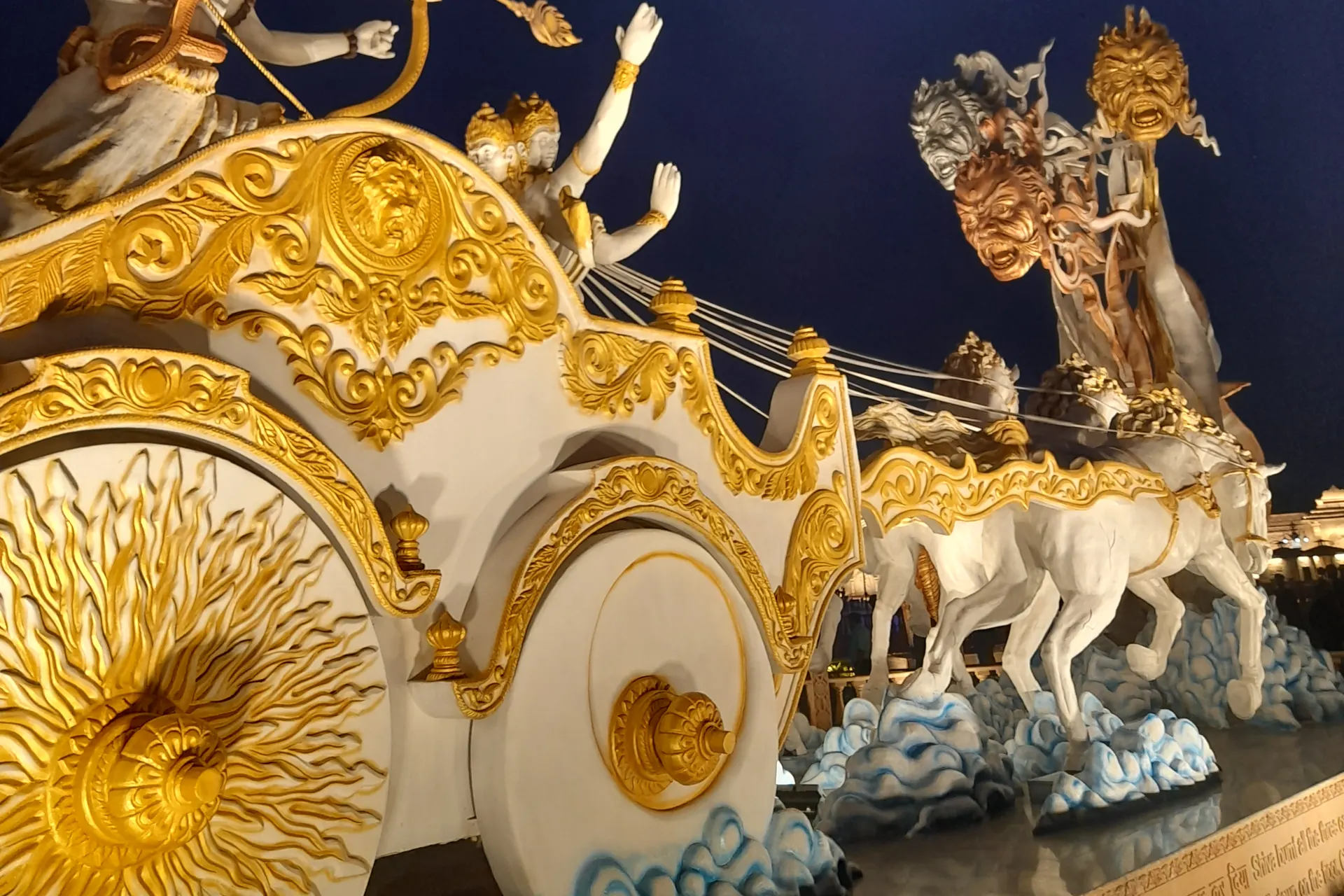
Shri Mahakal Lok
The grand corridor around Mahakaleshwar Temple, lined with murals and sculptures that retell the stories of Shiva for every visitor.
Visitor guide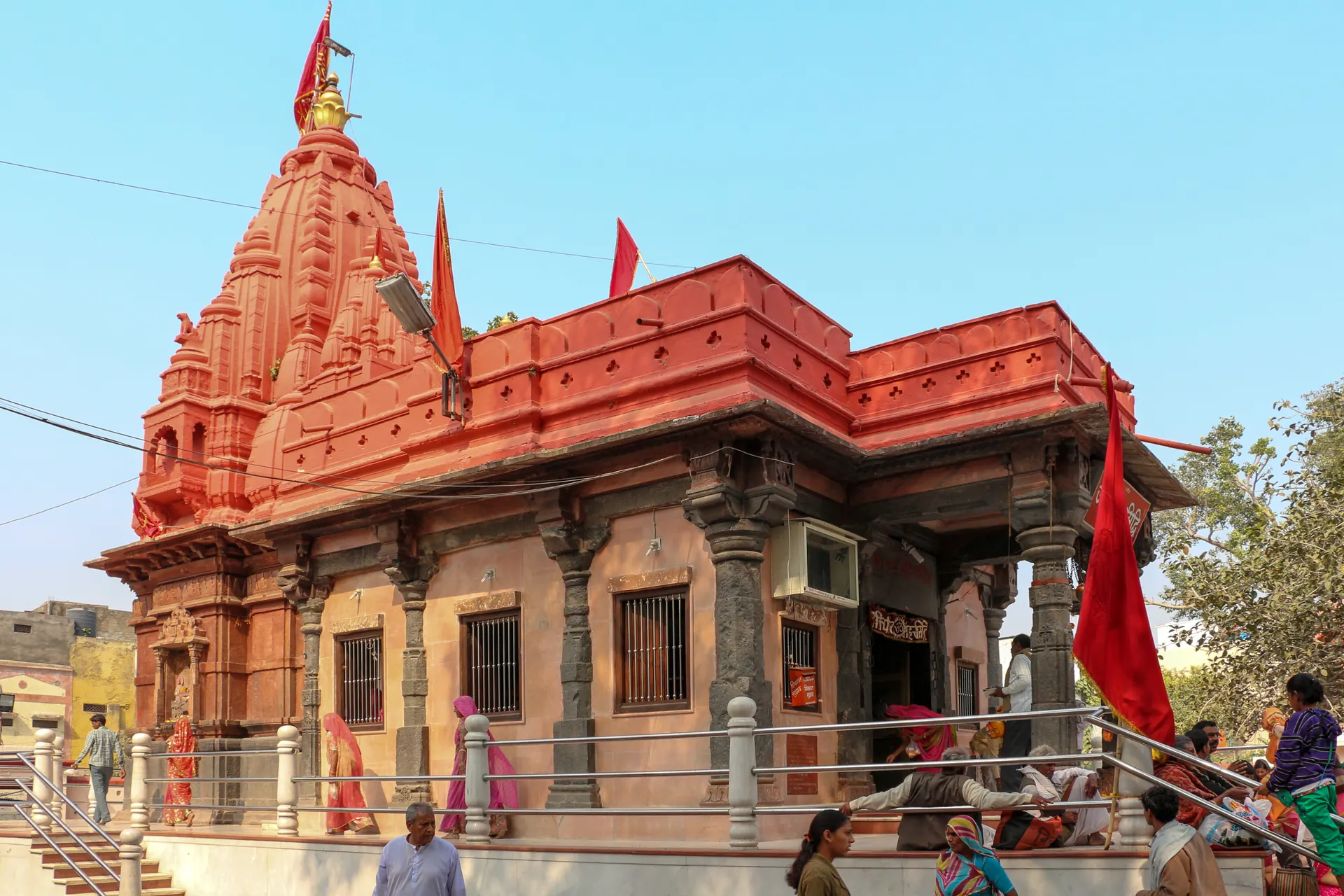
Devi temples
Harsiddhi Mata Temple
An ancient Shakti Peetha close to Mahakal, famous for its towering lamp pillars that glow with hundreds of flames on festival evenings.
Visitor guide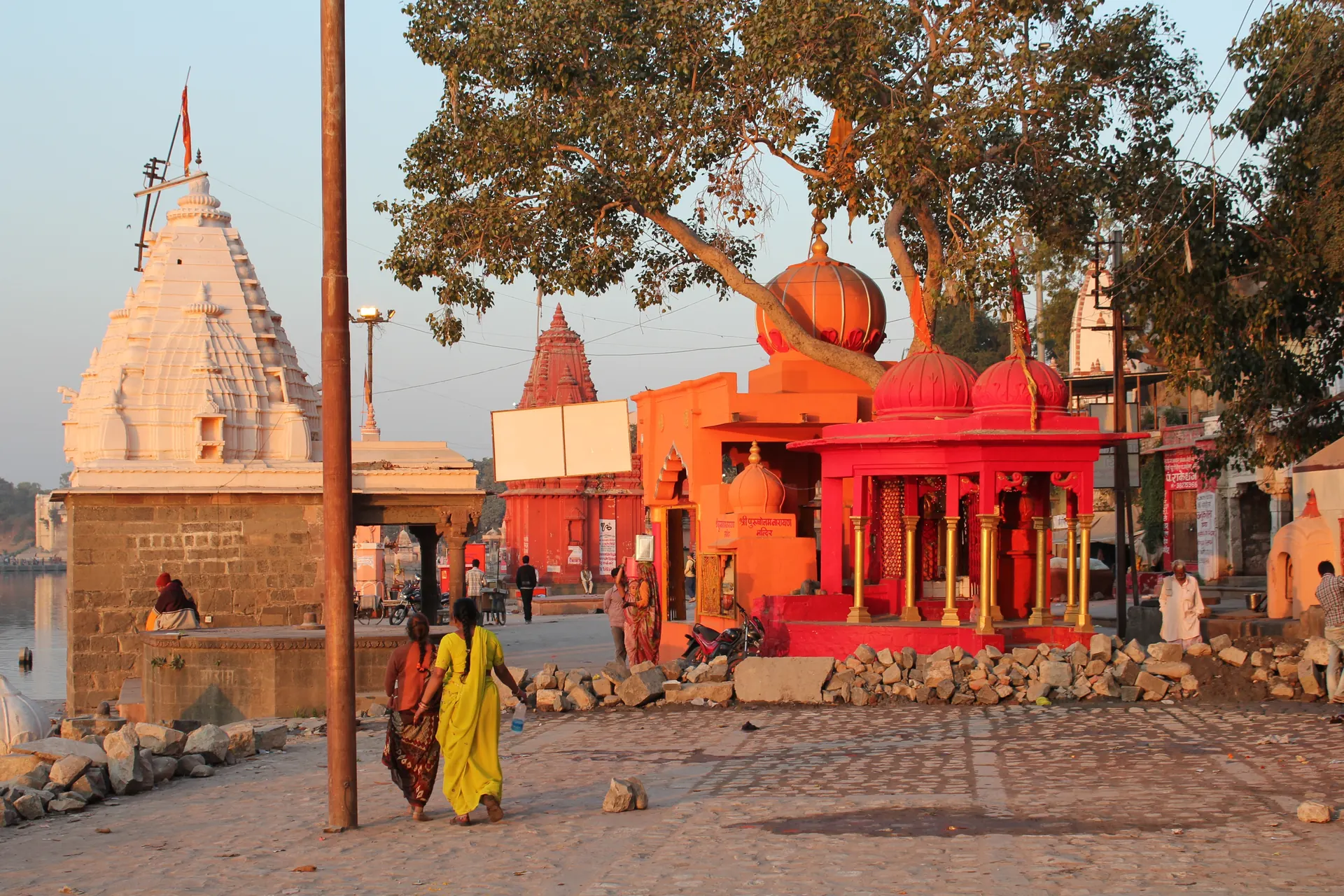
Ghats & the Shipra
Ram Ghat
Ujjain's most famous ghat on the Shipra, home to the evening aarti and the main bathing place during the Simhastha Kumbh.
Visitor guide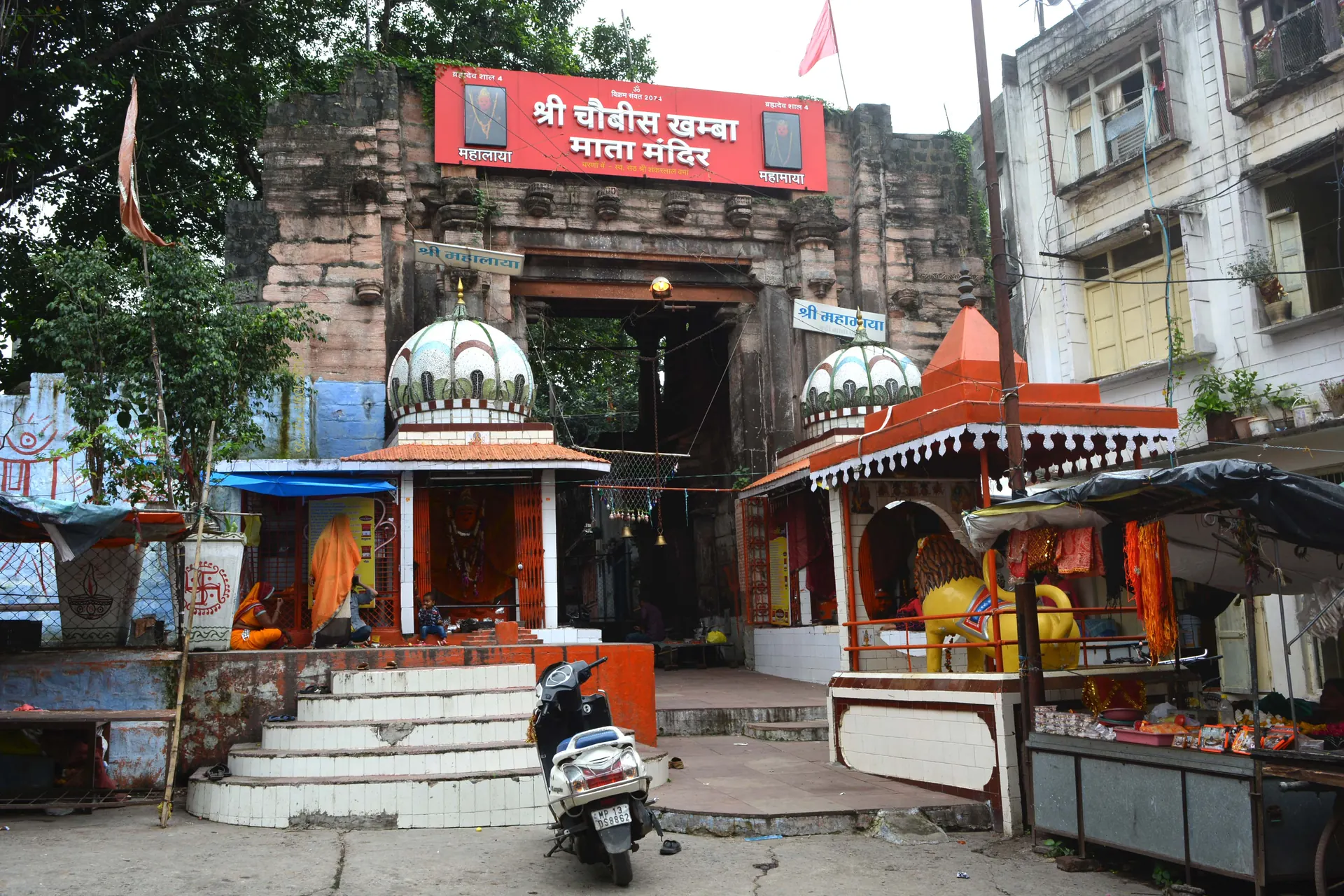
Other temples
Gopal Mandir
An elegant Scindia-era Krishna temple in the heart of the old market, known for its Maratha-style architecture and silver-plated doors.
Visitor guide
Related story
The significance, in depth
From our blog
Read the story: Mahakal Jyotirlinga – Significance & History
Discover the spiritual significance of Mahakaleshwar Jyotirlinga in Ujjain, its ancient history and the powerful rituals performed at the temple.
This visitor guide covers the practical side; the blog article is our longer piece on the significance and traditions of Mahakaleshwar.
Tours that include it
Related packages
- 84 Mahadev Darshan with 9 NarayanStarting from ₹20,000 per person (min 6 people)
- Indore – Ujjain Spiritual TourStarting from ₹14,500/- Only (per person)
- Madhya Jyotiryatra – Ujjain OmkareshwarStarting from ₹19,500/- per person
- Ujjain Darshan Spiritual TourStarting from ₹7,999/- per person
- Ujjain Mandav Heritage TourStarting from ₹15,500/- per person
Good to know
Mahakaleshwar: frequently asked questions
Why is Mahakaleshwar special among the twelve Jyotirlingas?
The lingam here is regarded as self-manifested and faces south (Dakshinamurti), a form held to be unique among the Jyotirlingas.
Do I need to book in advance for Bhasma Aarti?
Yes. Entry to Bhasma Aarti is by prior booking through the Shri Mahakaleshwar temple committee's official channels. Book early, especially for weekends and festivals, and avoid unofficial agents.
What are the darshan timings?
The temple opens before dawn for Bhasma Aarti and closes after the night Shayan Aarti, but exact timings vary and change on festivals. Please check the temple committee's official website before you plan your day.
Is there a dress code?
Modest clothing is expected throughout the temple. A traditional dress code applies for Bhasma Aarti and for any entry to the sanctum; follow the rules published by the temple committee.
When is the Nagchandreshwar shrine open?
The Nagchandreshwar shrine on the upper level of the temple opens for darshan only on Nag Panchami, when very large crowds are expected.
Plan with locals
Plan your visit to Mahakaleshwar
We arrange darshan, pooja bookings, transport and stays with local guidance throughout your visit.