
Ghats & the Shipra
Ram Ghat
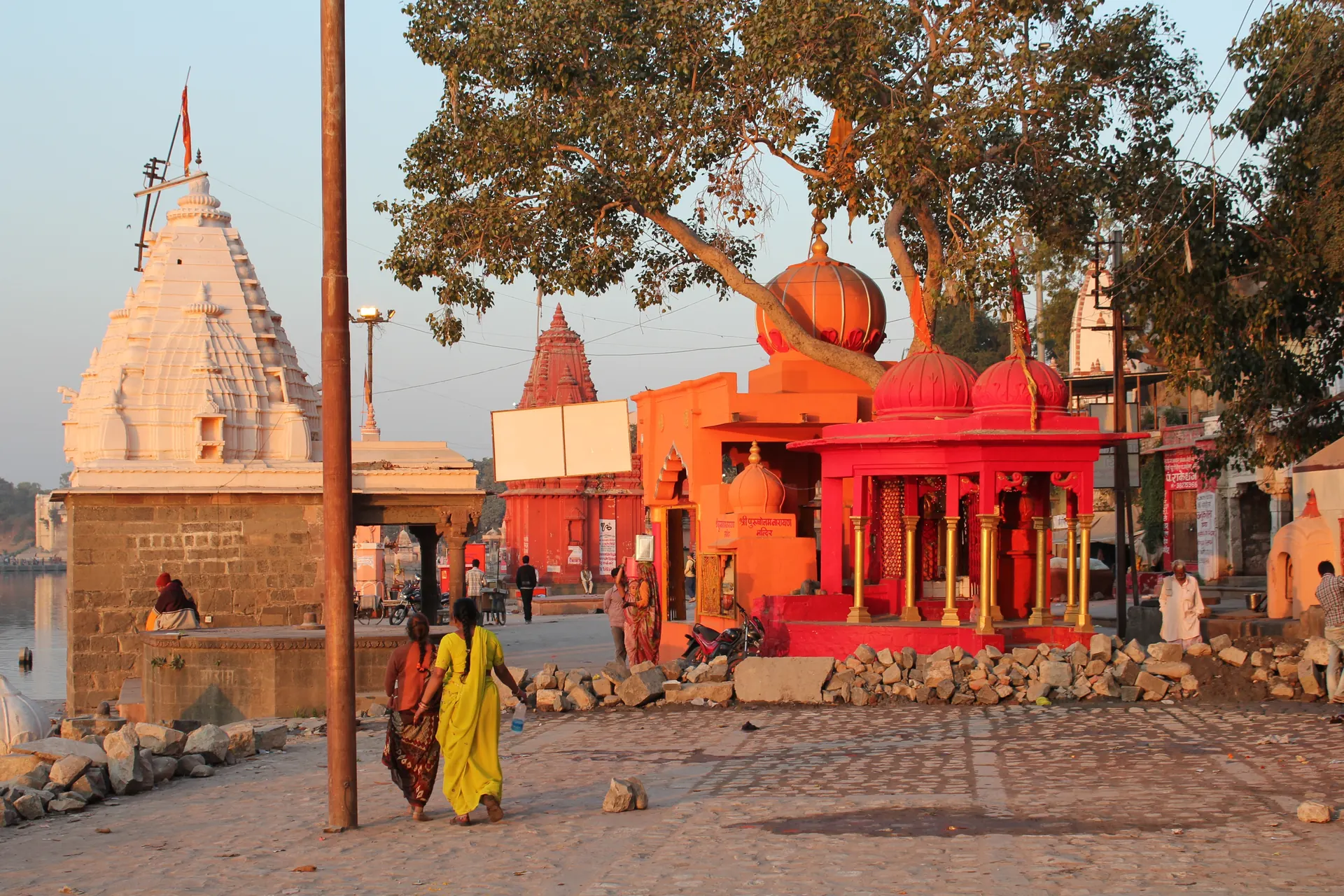
Ujjain's most famous ghat on the Shipra, home to the evening aarti and the main bathing place during the Simhastha Kumbh.
Why it matters
Significance
Ram Ghat is where Ujjain meets its sacred river. The Shipra is revered as one of India's holiest rivers, and bathing here is believed to wash away sins and bring blessings. For pilgrims arriving in the city, a dip at Ram Ghat before darshan at Mahakal is a cherished tradition.
The ghat is also at the centre of the Simhastha, Ujjain's Kumbh Mela, when the principal bathing days draw sadhus, akharas and pilgrims in vast numbers. Even on an ordinary day, the evening Shipra aarti, with its lamps, bells and chanting reflected on the water, is one of the most moving experiences Ujjain has to offer.
Story & history
History and legend
According to tradition, the ghat takes its name from Lord Rama, who is said to have performed rites for his father, King Dasharatha, on the banks of the Shipra here during his exile. Whatever its origins, Ram Ghat has been the city's principal bathing ghat for generations.
The ghats along the Shipra were renovated during the Scindia period, and have been extended and improved in preparation for successive Simhasthas, when they must hold enormous crowds. The Kartik Mela is also held on the river.
On the day
What to expect and how to visit
By day, Ram Ghat is a lively, unhurried place: pilgrims bathing, priests performing rituals for families, flower and diya sellers along the steps, and small shrines lining the riverbank. Boats are sometimes available for a short trip on the river.
As evening falls, crowds gather for the Shipra aarti. Priests perform the ritual with large brass lamps while bells ring and devotees float diyas on the water. Arrive a little early to find a good spot on the steps. During festivals and the Simhastha, the ghat becomes extremely crowded and police manage access, so follow their directions closely.
Before you go
Visitor tips
- Arrive early for the evening aarti to find a comfortable place on the steps.
- If you bathe, stay within the marked or shallow areas and keep an eye on children; the steps can be slippery.
- Carry a change of clothes and a small bag for wet items; changing facilities are basic.
- Buy diyas from the vendors on the ghat and avoid plastic offerings in the river.
- Keep valuables secure in crowds, and follow police instructions during festivals and Simhastha.
Getting there
How to reach Ram Ghat
Ram Ghat is on the Shipra in the old city, approximately a short walk from Harsiddhi and Mahakaleshwar. Take an auto-rickshaw, e-rickshaw or cab from Ujjain Junction to the Mahakal or Harsiddhi area and walk down to the river.
Coming from outside the city? See our guide on how to reach Ujjain by rail, air and road, and the local transport guide for getting around once you arrive.
Before you travel
Good to know
Key details about Ram Ghat. Arrangements can change on festival days, so check locally or ask our team when you plan your visit.
- Kartik Mela
- A fair is traditionally held on the Shipra in the Hindu month of Kartik; check the district administration for current dates.
- Why the Ujjain Kumbh is called Simhastha
- It is held when Jupiter is in Leo (Simha) and the Sun is in Aries; Ujjain is one of the four Kumbh sites, with Haridwar, Prayagraj and Nashik.
Combine your visit
Nearby places
Places that are easy to combine with Ram Ghat on the same outing.
Devi temples
Harsiddhi Mata Temple
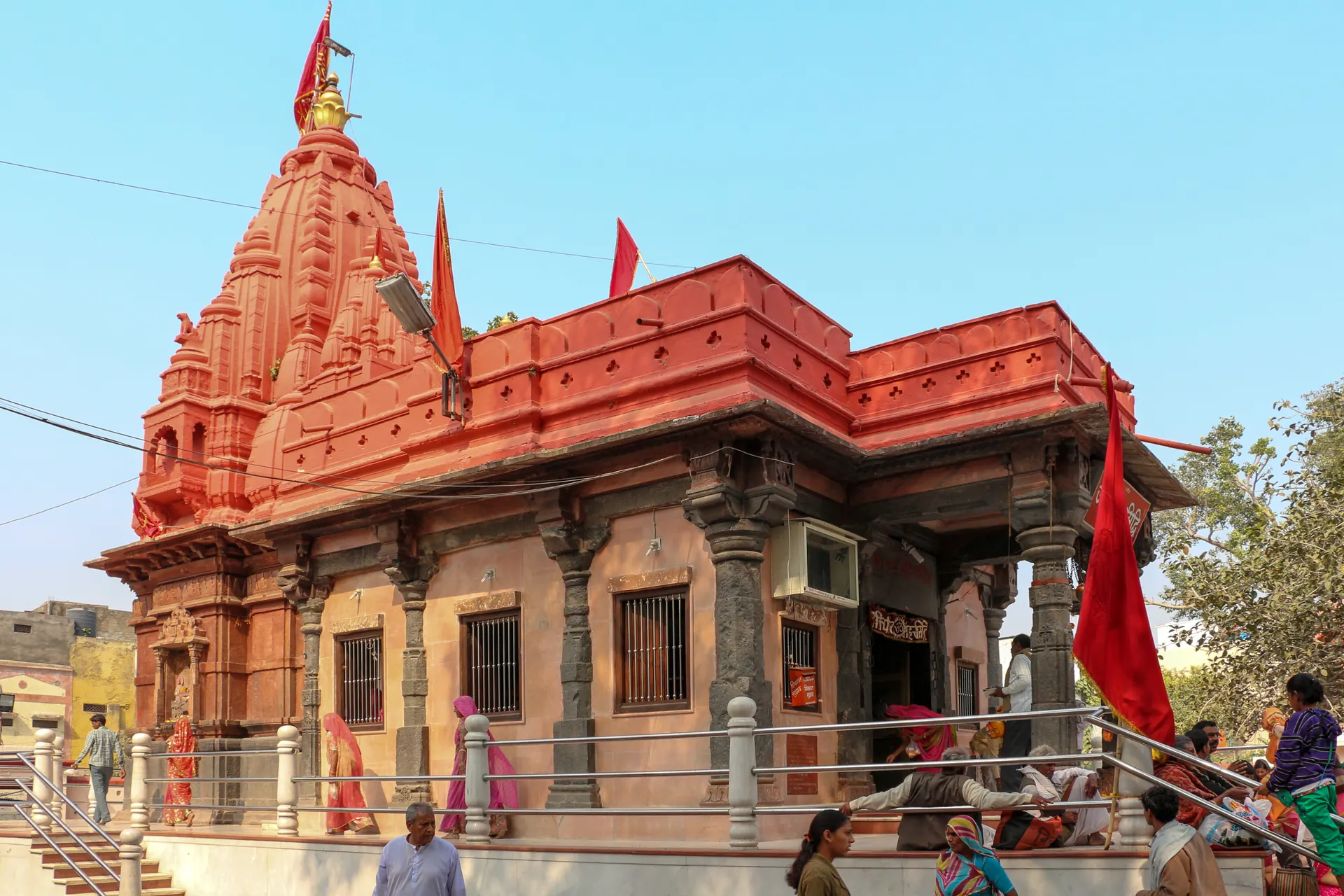
An ancient Shakti Peetha close to Mahakal, famous for its towering lamp pillars that glow with hundreds of flames on festival evenings.
Visitor guide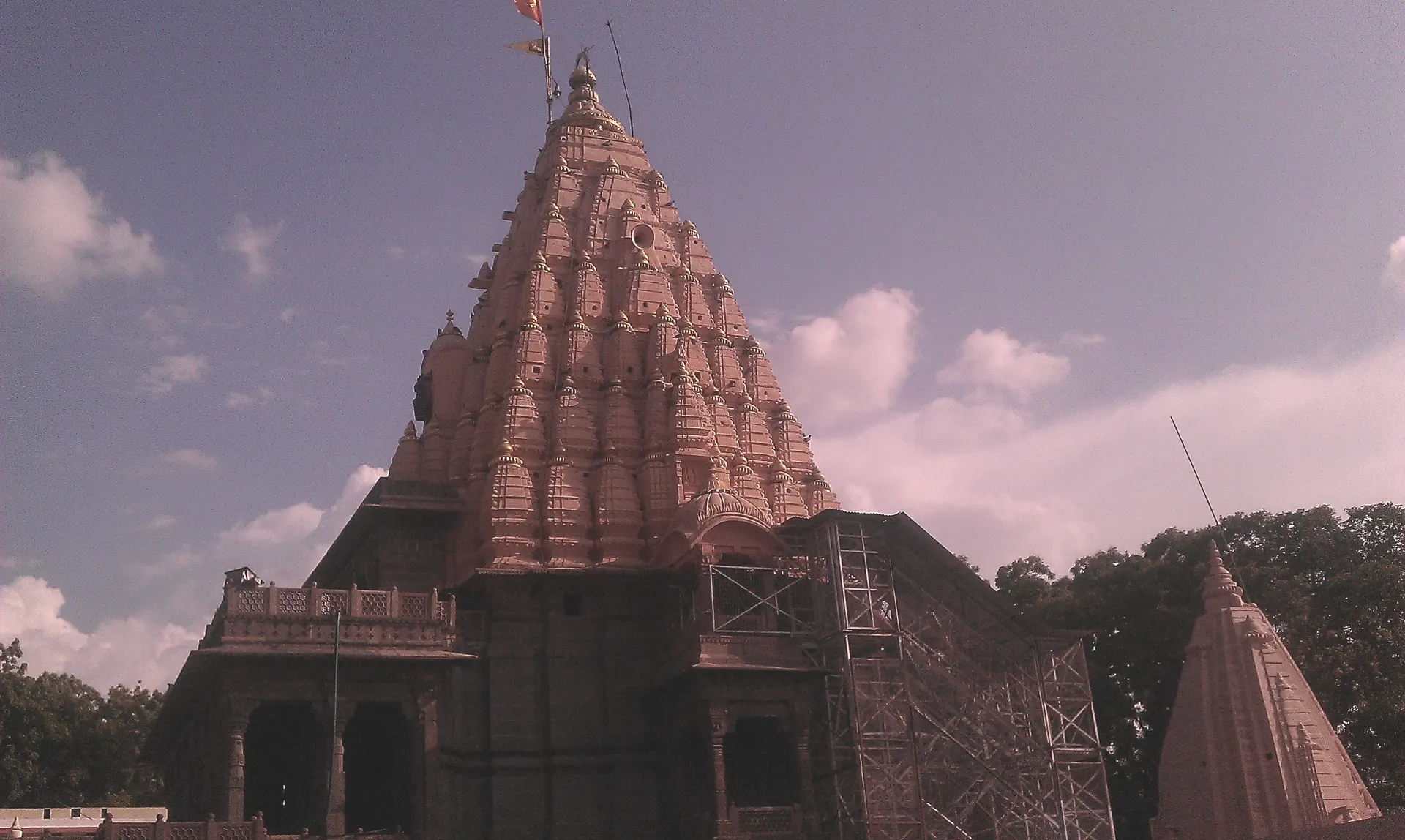
Shiva temples
Shri Mahakaleshwar Jyotirlinga
One of the twelve Jyotirlingas and the spiritual heart of Ujjain, where Shiva is worshipped as Mahakal, the lord of time.
Visitor guide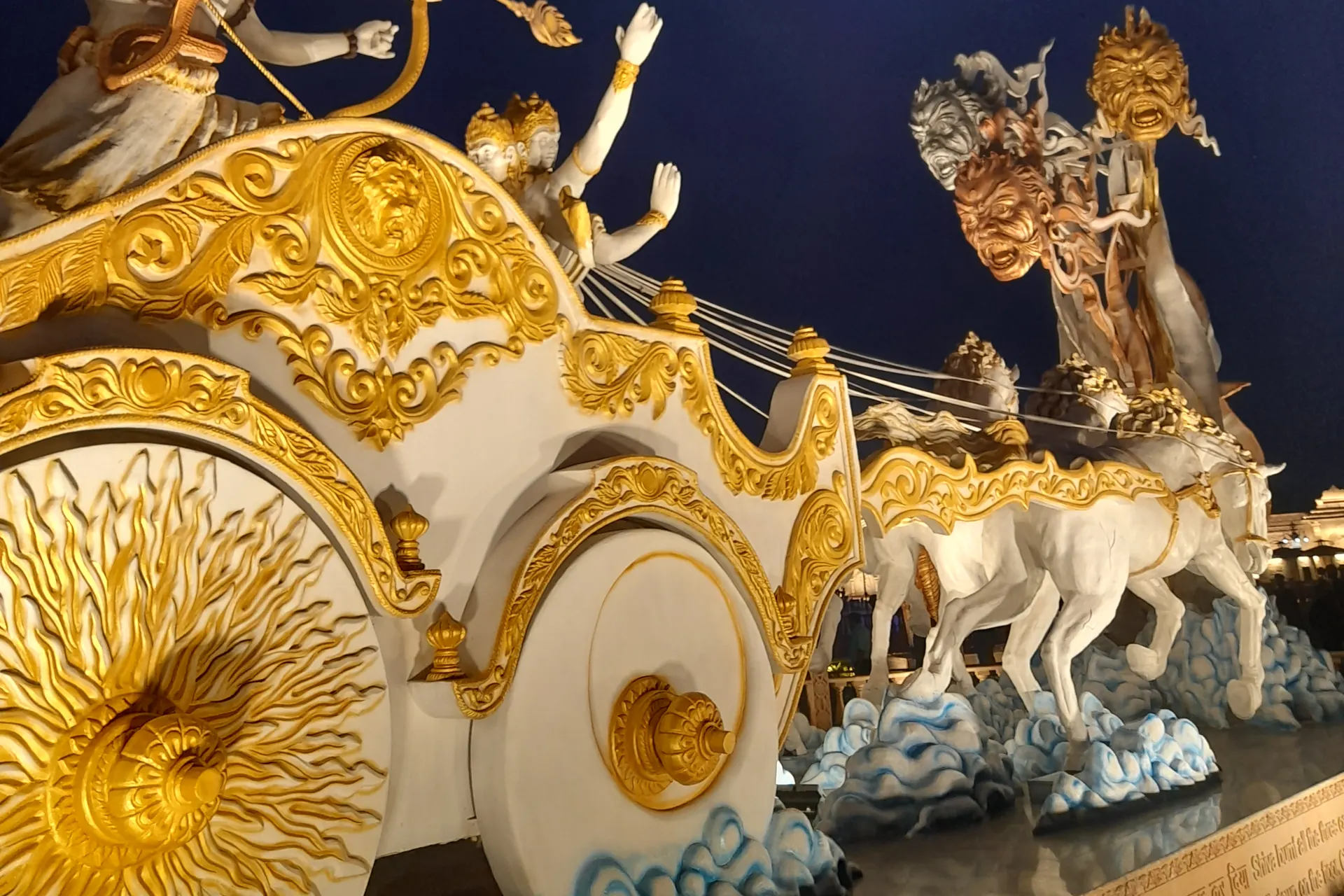
Shiva temples
Shri Mahakal Lok
The grand corridor around Mahakaleshwar Temple, lined with murals and sculptures that retell the stories of Shiva for every visitor.
Visitor guide
Related story
The significance, in depth
From our blog
Read the story: Ram Ghat & Shipra Aarti Ujjain – Evening Ritual Guide
Ram Ghat is the most sacred bathing ghat of the Shipra River where the famous evening Shipra Aarti takes place.
This visitor guide covers the practical side; the blog article is our longer piece on the significance and traditions of Ram Ghat.
Tours that include it
Related packages
Good to know
Ram Ghat: frequently asked questions
When is the Shipra aarti at Ram Ghat?
The aarti is performed in the evening around sunset, so the exact time shifts through the year. Ask locally on the day and arrive a little early.
Is it safe to bathe at Ram Ghat?
Many pilgrims bathe here, but stay in shallow, marked areas, keep children close, and follow any instructions from officials, especially when the river is high during the monsoon.
What is Ram Ghat's role in the Simhastha?
Ram Ghat is one of the principal bathing ghats during the Simhastha Kumbh, when the main bathing days draw enormous crowds of sadhus and pilgrims.
Why is it called Ram Ghat?
According to tradition, Lord Rama performed rites for his father, King Dasharatha, on the banks of the Shipra here.
Plan with locals
Plan your visit to Ram Ghat
We arrange darshan, pooja bookings, transport and stays with local guidance throughout your visit.