
Ghats & the Shipra
Siddhavat
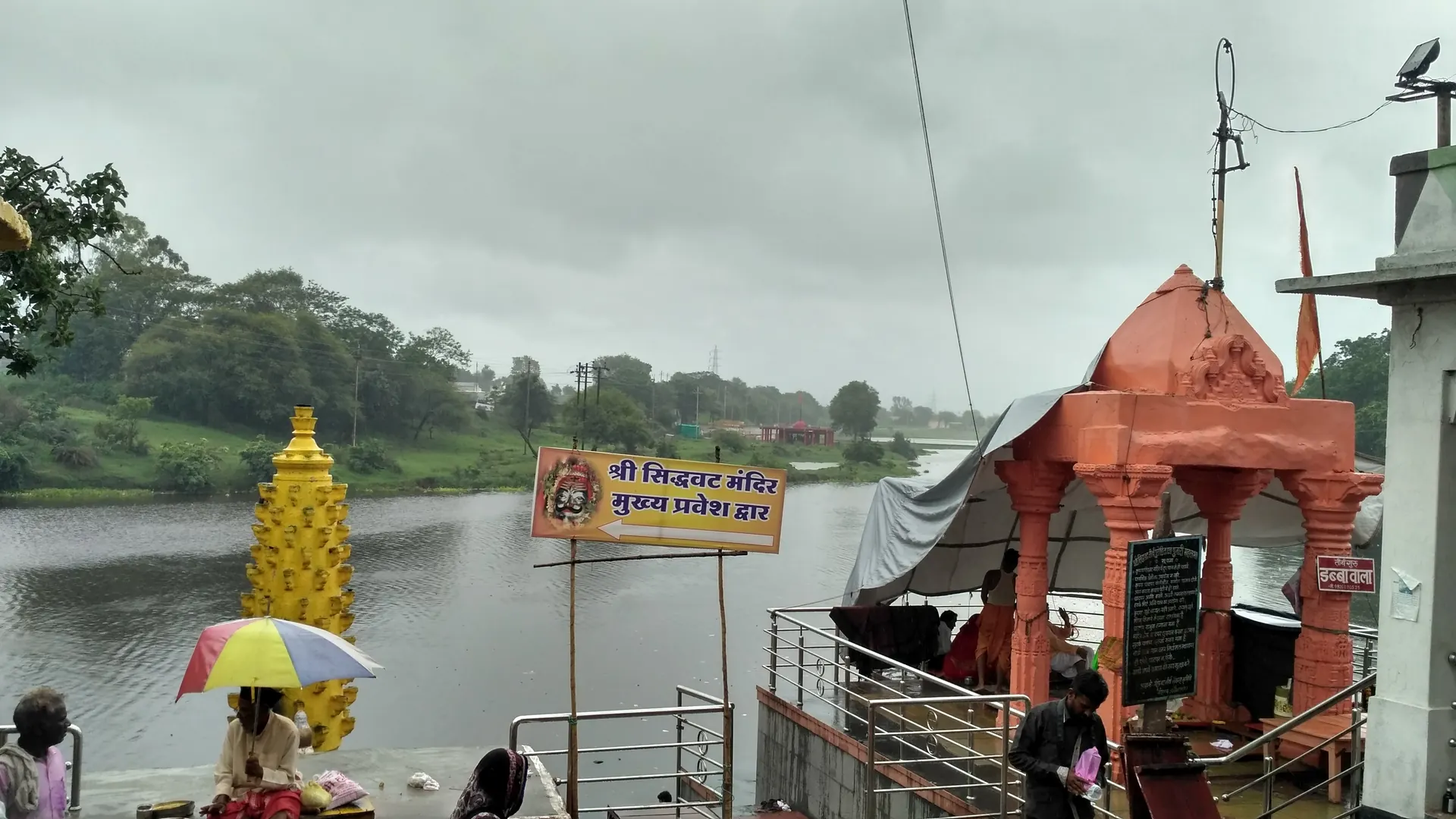
A sacred banyan tree on the banks of the Shipra, where families perform rituals for their ancestors in a tranquil riverside setting.
Why it matters
Significance
Siddhavat is a revered banyan tree on the Shipra, held in the same esteem in Ujjain as the Akshayavat is in Prayagraj. Banyans are a symbol of permanence and continuity in Hindu thought, and this tree is regarded as especially sacred, a place where prayers for those who have passed away are believed to bear fruit.
Families come here to perform shraddha, pind daan and other rites for their ancestors, as well as rituals for peace and the removal of difficulties. For many, a visit is a deeply personal act of remembrance rather than sightseeing, and that gives the place its quiet, reflective character. Even those who come without a ritual to perform often find it one of the most peaceful spots in the city.
Story & history
History and legend
Local tradition holds that the tree was planted by Goddess Parvati and that Kartikeya is associated with this spot.
The ghat beside the tree has been developed over time, and the area forms part of the sacred landscape of northern Ujjain, alongside Kal Bhairav, the Bhartrihari Caves and Gadkalika.
On the day
What to expect and how to visit
The banyan stands beside a ghat on the Shipra, with priests available to conduct rituals for families. The setting is generally peaceful, with the river close by and fewer crowds than in the old city, though it becomes busier during Pitru Paksha, the fortnight dedicated to ancestors.
If you are not performing a ritual, it is a good place to pause by the water and watch daily devotional life unfold. Please be sensitive: many visitors are here to grieve or remember loved ones, so keep voices low and avoid photographing people during rites.
Before you go
Visitor tips
- If you plan to perform a ritual, arrange it in advance with a priest and confirm what is included.
- Be respectful of families performing rites, and do not photograph them without permission.
- Pitru Paksha is the busiest period; other times are much calmer.
- The ghat steps can be slippery; wear sensible footwear and take care near the water.
- Combine your visit with Kal Bhairav and the Bhartrihari Caves on the same side of the city.
Getting there
How to reach Siddhavat
Siddhavat is on the Shipra on the northern side of the city, in the Bhairavgarh area. Take an auto-rickshaw, e-rickshaw or cab from Ujjain Junction or the Mahakal area.
Coming from outside the city? See our guide on how to reach Ujjain by rail, air and road, and the local transport guide for getting around once you arrive.
Before you travel
Good to know
Key details about Siddhavat. Arrangements can change on festival days, so check locally or ask our team when you plan your visit.
- Siddhavat tradition
- Siddhavat is a sacred banyan on the Shipra where rituals for ancestors are performed; tradition compares it to the Akshayavat of Prayagraj.
Combine your visit
Nearby places
Places that are easy to combine with Siddhavat on the same outing.
Heritage & ashrams
Bhartrihari Caves
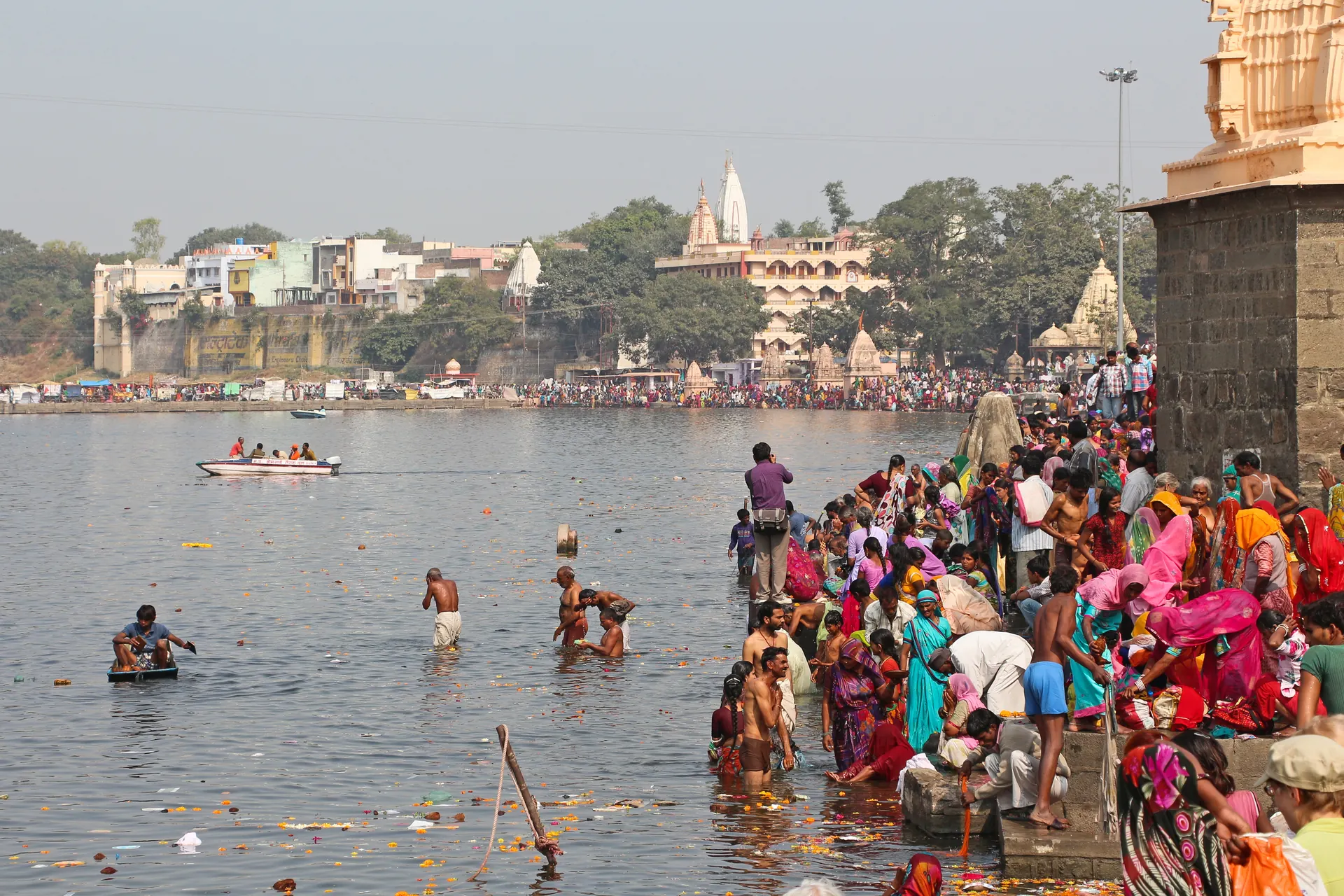
Atmospheric caves on the Shipra where, according to tradition, the poet-king Bhartrihari meditated after renouncing his throne.
Visitor guide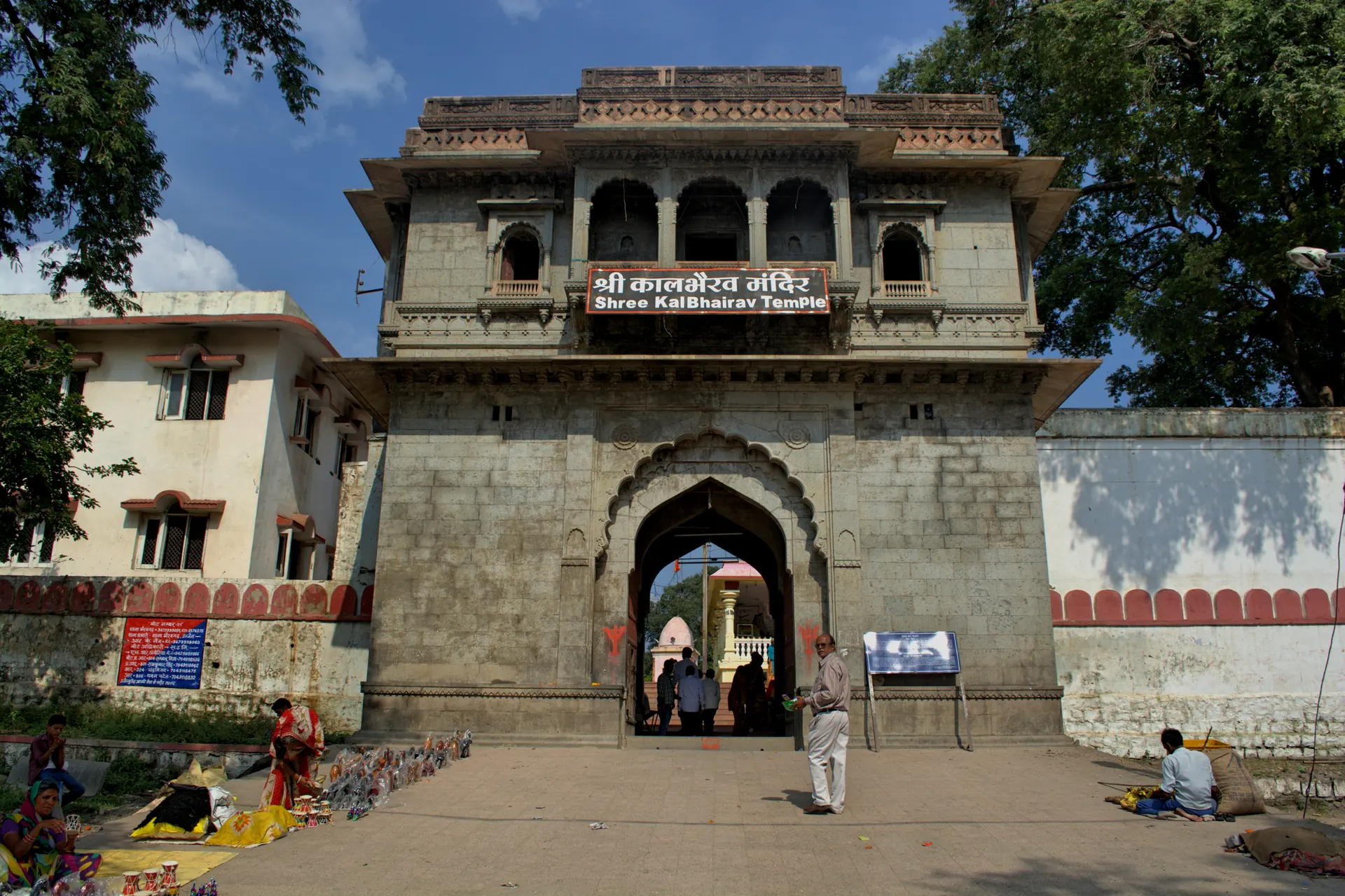
Shiva temples
Kal Bhairav Temple
The shrine of Ujjain's guardian deity, Kal Bhairav, known across India for the unusual tradition of offering liquor to the god.
Visitor guide
Good to know
Siddhavat: frequently asked questions
What rituals are performed at Siddhavat?
Families perform shraddha, pind daan and other rites for their ancestors, as well as rituals for peace and the removal of difficulties.
Why is Siddhavat compared to Akshayavat?
Tradition regards Siddhavat as being as sacred in Ujjain as the Akshayavat banyan is in Prayagraj; both are revered as enduring, holy trees.
When is Siddhavat busiest?
Pitru Paksha, the fortnight dedicated to ancestors, is the busiest time. On other days it is usually calm.
Plan with locals
Plan your visit to Siddhavat
We arrange darshan, pooja bookings, transport and stays with local guidance throughout your visit.