
Best Time to Visit Ujjain – Season & Festival Calendar
When to visit Ujjain: the pleasant Malwa-plateau climate, the Shravan Sawari Mondays, Shaiv Mahotsav in January, Kalidas Samaroh and Simhastha 2028 — and when to avoid the crowds.
There is no bad time to visit Ujjain, but there is a big difference between a quiet weekday darshan and being one of several lakh people in a Shravan procession. Both are worth experiencing — you just want to choose deliberately rather than arrive in the middle of one by accident.
The climate
Ujjain sits on the Malwa plateau on the bank of the Kshipra, around 490 metres above sea level. That elevation gives the city a moderate, generally pleasant climate compared with the plains below it, which is part of why it has been continuously settled for thousands of years. Early mornings are the most comfortable time of day to be in temple queues in any season.
Shravan: the busiest and most atmospheric
During the month of Shravana, a procession of Lord Mahakala passes through the streets of Ujjain every Monday. These Sawaris continue up to the Amavasya in the dark fortnight of Bhadrapada, and the final Sawari of Bhadrapada is the biggest of all — it draws lakhs of people. If you want to see Ujjain at its most alive, come then. If you are travelling with elderly relatives or want an unhurried darshan, do not.
Kartika to Margashirsha
The Mahakal procession also runs from the bright fortnight of Kartika through to the dark fortnight of Margashirsha. This stretch of the calendar tends to be more comfortable weather-wise than Shravan while still giving you the processions.
Shaiv Mahotsav in January
A three-day Shaiv Mahotsav is held from 5 to 7 January, presented as a symbolic gathering of all twelve Jyotirlingas. It opens on 5 January with a Shobha Yatra carrying replicas of all twelve. January is comfortable for walking the city, which makes this one of the easier festivals to attend.
Vijayadashami and Kalidas Samaroh
On Vijayadashami the Mahakal procession travels to the celebrations at Dashahara Maidan. Separately, the Kalidas Samaroh has been held annually since 1958 in memory of the poet Kalidasa, organised through the Kalidasa Akademi — a good reason to visit if you are drawn to the city's literary rather than purely religious history.
Nag Panchami
The Nagchandreshwar shrine inside the Mahakaleshwar complex opens for just one day a year, on Nag Panchami. It is the only chance to see it, and the city is correspondingly packed.
Simhastha 2028
The Simhastha Kumbh returns to Ujjain in 2028. Expect the city to be transformed and accommodation to be booked far in advance. If you want an ordinary pilgrimage rather than a once-in-twelve-years crowd, plan around it.
So when should you go?
For a calm darshan, pick a non-festival weekday and start early. For atmosphere, come on a Shravan Monday and accept the crowds. For a balance of decent weather and ceremony, the Kartika stretch and early January are the sweet spots.
Sources: District Ujjain (Government of India) and the Shri Mahakaleshwar Temple Management Committee. Festival dates follow the Hindu calendar and shift each year — confirm before booking.
Plan the rest with our Ujjain travel guide, travel routes and darshan guide.
Temple Guides to Read Before You Go
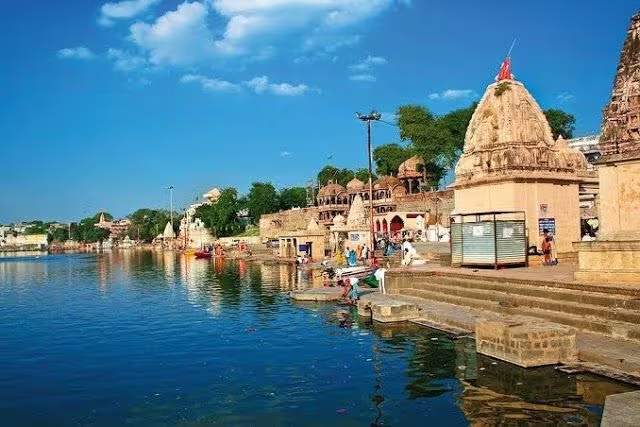
Ram Ghat & Shipra Aarti Ujjain – Evening Ritual Guide
Ram Ghat is the most sacred bathing ghat of the Shipra River where the famous evening Shipra Aarti takes place.
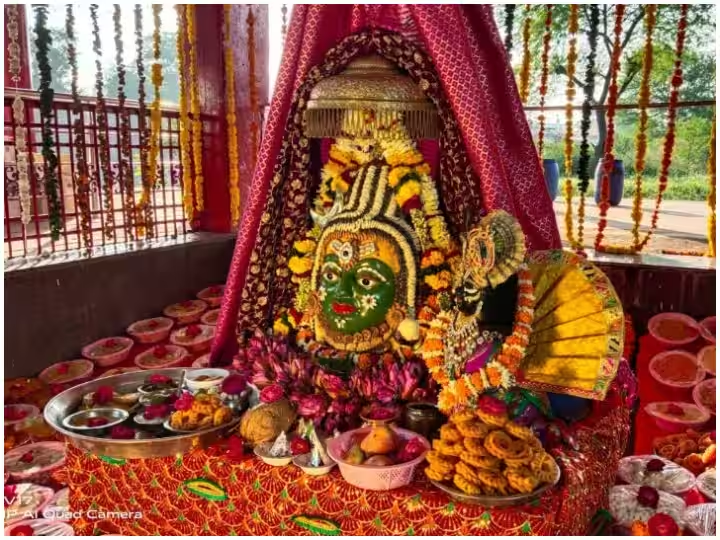
Angareshwar Mahadev – 84 Mahadev Yatra Guide
Angareshwar Mahadev Temple is an important stop in the sacred 84 Mahadev Yatra of Ujjain.
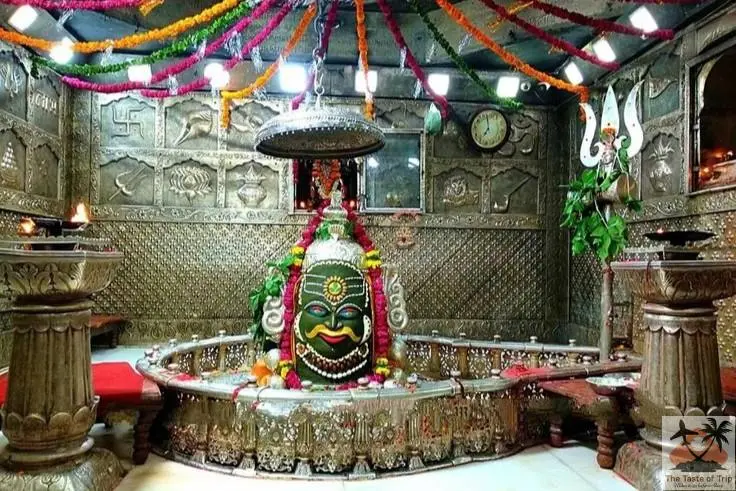
Mahakal Jyotirlinga – Significance & History
Discover the spiritual significance of Mahakaleshwar Jyotirlinga in Ujjain, its ancient history and the powerful rituals performed at the temple.
Tour Packages Covering This
Madhya Jyotiryatra – Ujjain Omkareshwar
4 Nights / 5 Days Complete Jyotirlinga & Heritage Tour
5-day itinerary — 7 stops on day one
Starting from ₹19,500/- per person
Ujjain Darshan Spiritual Tour
2 Days Complete Temple Darshan of Ujjain
2-day itinerary — 8 stops on day one
Starting from ₹7,999/- per person
Plan Your Ujjain Trip
Book Mahakal darshan, pooja services and Ujjain tour packages with complete assistance and guided support.