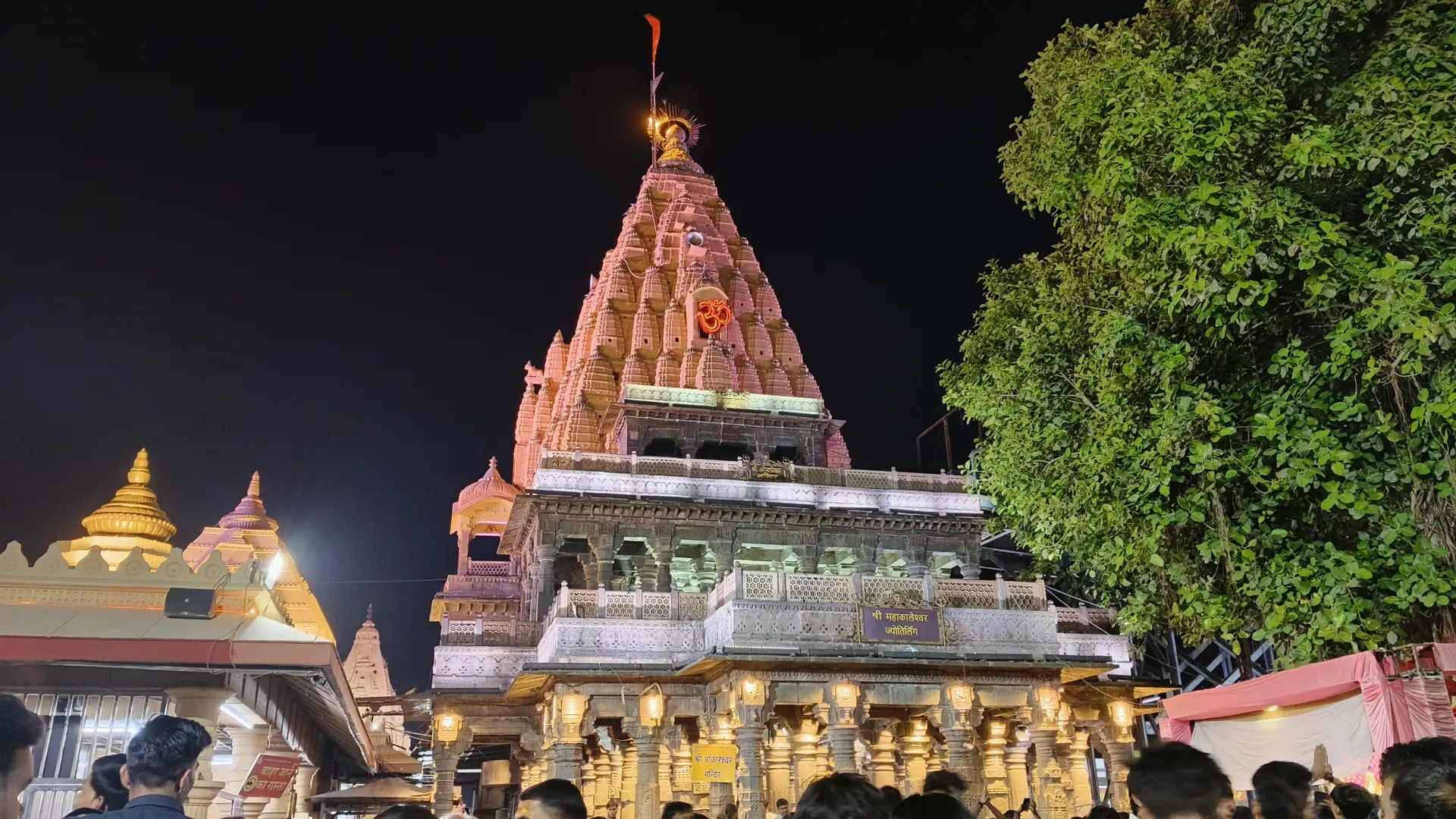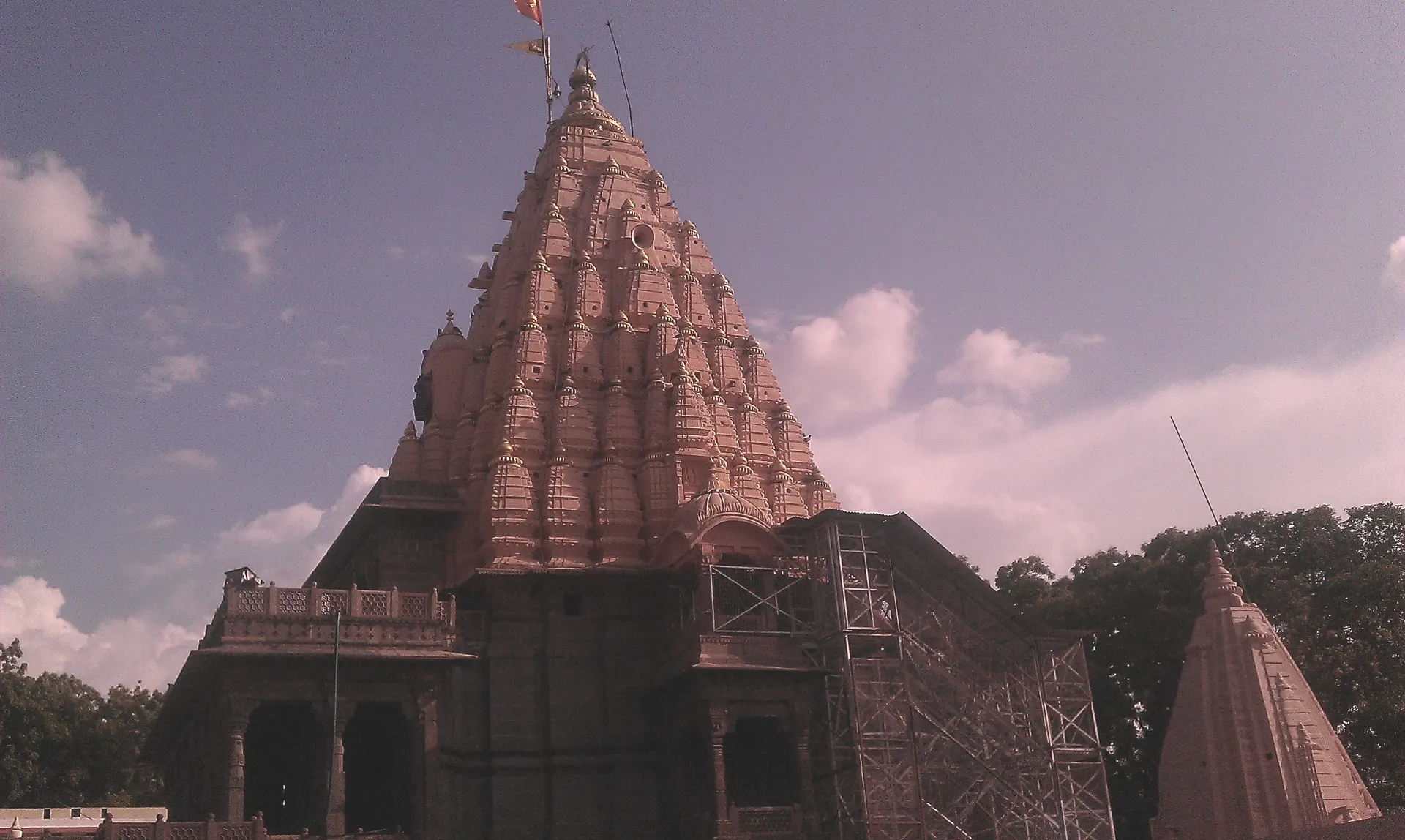
Ujjain is one of the most rewarding family pilgrimages in India: grandparents can fulfil a long-held wish to see Mahakal, children can watch lamps float on the Shipra and hear the stories behind every temple, and the whole family can share a Malwa thali at the end of the day. It also has some of the biggest crowds of any temple town. A little planning keeps the trip joyful rather than exhausting.
When to go with family
The cooler winter months are generally the most comfortable time to visit; summers are hot and the monsoon brings heavy rain. Check IMD forecasts before travelling. For families, the cooler months on ordinary weekdays are ideal. Avoid Shravan Mondays, Maha Shivaratri, Nag Panchami and long weekends unless seeing the festival is the point of the trip. School holidays bring more families, so book stays early. See the best time to visit.
Darshan with children and elders
- Go early — the first hours after opening are usually the calmest and coolest.
- Consider quick darshan. Sheeghra Darshan is one of the temple committee's online services on its official website. Certain pujas (e.g. General Puja, Rudrabhishek) need a separate Sheeghra Darshan ticket. Check the official site for the current fee.
- Bhasma Aarti with young children: the pre-dawn reporting time and long wait are hard on little ones. Many families send one or two adults while the rest attend a later aarti. Check the temple committee's current rules before booking.
- Carry little. Follow the temple committee's current rules on phones, bags and offerings, as announced at the temple.
Keeping children safe in crowds
- Put a card in each child's pocket with their name and a parent's phone number.
- Agree a fixed meeting point — a temple gate or landmark — before entering any queue.
- Dress children in bright, easy-to-spot colours.
- Hold hands in queues and on ghat steps, and keep children well back from the water's edge.
- If you are separated, go to the nearest police or volunteer help point. 112 is India's single emergency number for all emergencies. The older numbers 100 (police), 101 (fire), 102/108 (ambulance), 181 (women) and 1098 (Childline) are integrated with it.
Places children tend to enjoy
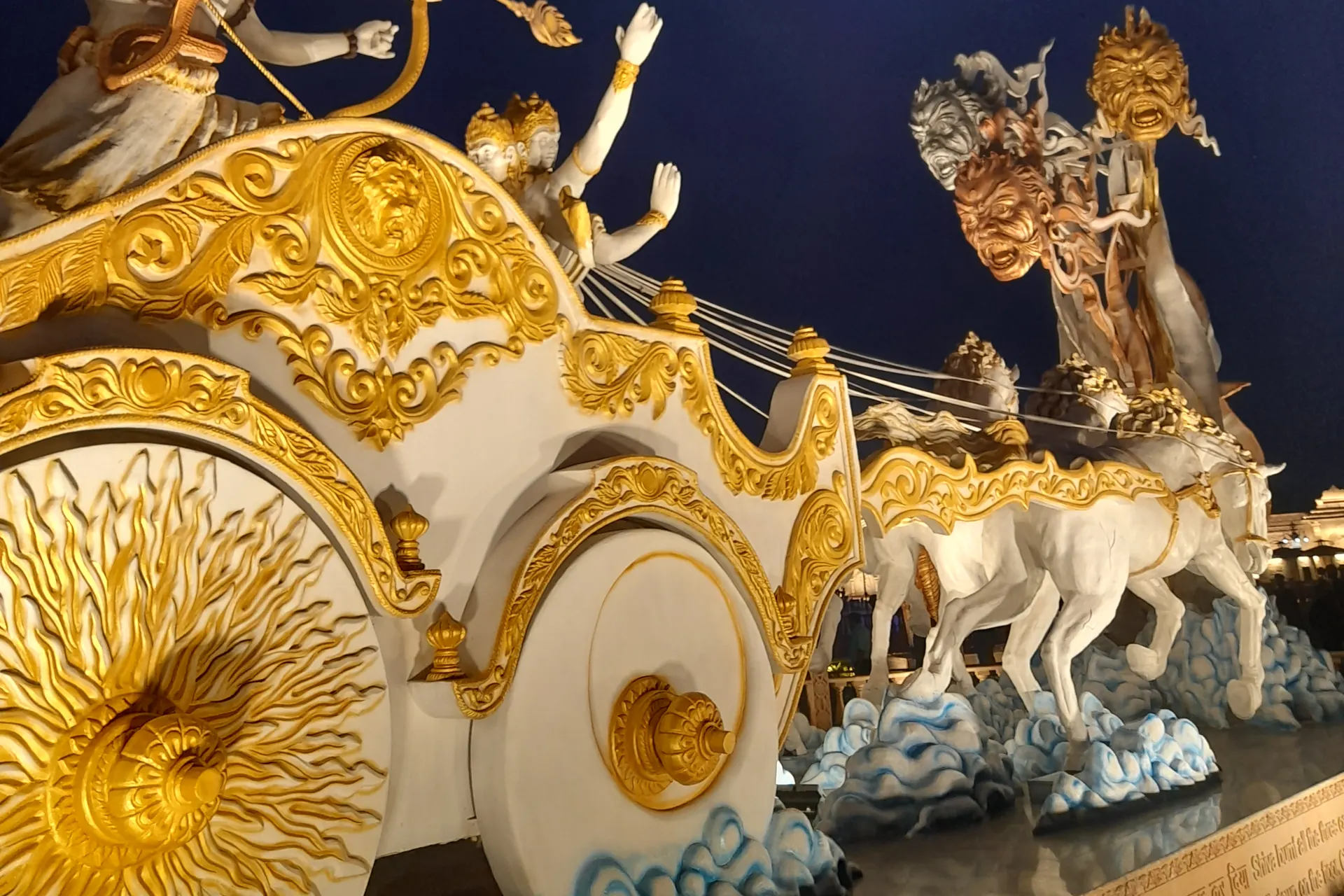
- Mahakal Lok — open spaces and large sculptures that bring Shiva's stories to life.
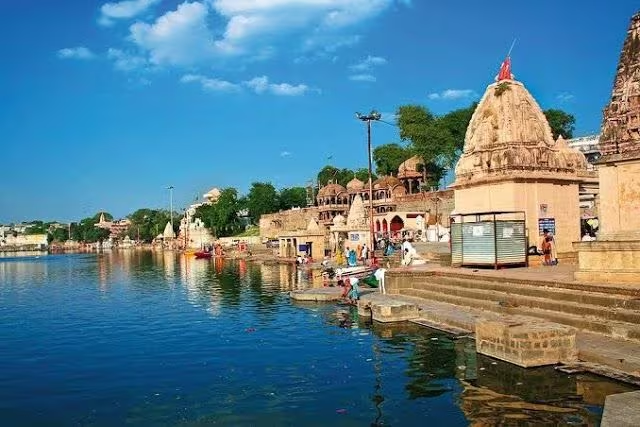
- Ram Ghat — the evening aarti, bells and floating diyas.
- Sandipani Ashram — where young Krishna is said to have gone to school; a story children connect with.
- The Vedh Shala observatory — giant astronomical instruments that make for a hands-on lesson. The observatory was built by Maharaja Sawai Jai Singh of Jaipur while he was Governor of Malwa under Emperor Muhammad Shah. It was later renovated by Maharaja Madhav Rao Scindia and has been in use since.
- Bhartrihari Caves — adventurous for older children, though the passages are low and narrow.
A family-friendly two-day route
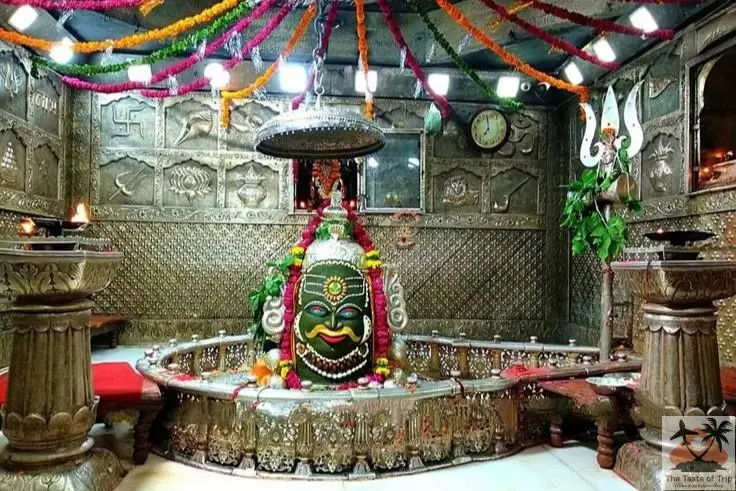
- Day 1 morning: Mahakaleshwar darshan, then Mahakal Lok and Harsiddhi.
- Day 1 afternoon: lunch and a proper rest at the hotel.
- Day 1 evening: Ram Ghat aarti and an early dinner.
- Day 2 morning: Gadkalika, Kal Bhairav and Sandipani Ashram with Mangalnath.
- Day 2 afternoon: Vedh Shala, then Chintaman Ganesh on your way out of the city.
Travel between clusters is short but varies with traffic; a car with a driver means children can rest between stops. Compare the standard two-day itinerary.
Where to stay
Families usually prefer a hotel with lifts, reliable hot water and a restaurant on site. Staying near the temple means short walks; staying a little further out often means more space and quieter nights. See the accommodation guide.
Food for the family
Vegetarian thalis, poha, parathas and khichdi are easy on young stomachs. Ask for less spice, eat freshly cooked food and carry water and simple snacks for queues. The food guide lists dishes worth trying.
Packing list
- Modest, comfortable clothes for everyone; traditional dress if attending Bhasma Aarti
- Photo ID for adults (and for children where required)
- Slip-on footwear, since you will remove it often
- Water bottles, light snacks, a small first-aid kit and any regular medicines
- Caps or umbrellas in summer, light rain gear in the monsoon
Travelling with grandparents? Read the senior citizen travel guide. Prefer everything organised? Our Ujjain Darshan tour includes a hotel, meals, a vehicle and darshan assistance.